
This page contains affiliate links. If you click through and make a purchase we may earn a small commission at no extra cost to you. It does not affect our verdicts. Full disclosure policy →
Last updated: August 2026 · Real-world daily use testing · Specs verified against manufacturer sites August 2026
Our verdict in one sentence
The YOYO³ is the best overall pushchair for public transport based on real-world daily testing — but if you regularly fold one-handed at bus stops with a child on your hip, the Butterfly 2’s one-second fold changes everything.
Quick recommendations
Using public transport with a pushchair is a daily reality for millions of UK parents — and the pushchair that works brilliantly in the car park is often the wrong tool for the bus stop. Weight, fold speed, fold method and compact dimensions matter in a completely different way when you’re managing a child on a bus or at a train barrier. This guide focuses on pushchairs that have been tested in exactly those conditions — not just evaluated in a showroom.
How this guide was compiled
Real-world testing, not showroom impressions. K uses her Stokke YOYO³ daily on West Yorkshire buses and trains — into Leeds, to supermarkets, to friends’ houses. K’s partner B uses the Mamas & Papas Airo daily on the same network. Both have young children. Their daily experience is the foundation of this guide. Specs verified against manufacturer websites throughout.
The one question that matters most
Do you regularly need to fold one-handed — with a child on your hip, at a bus stop or train door?
YES — frequently
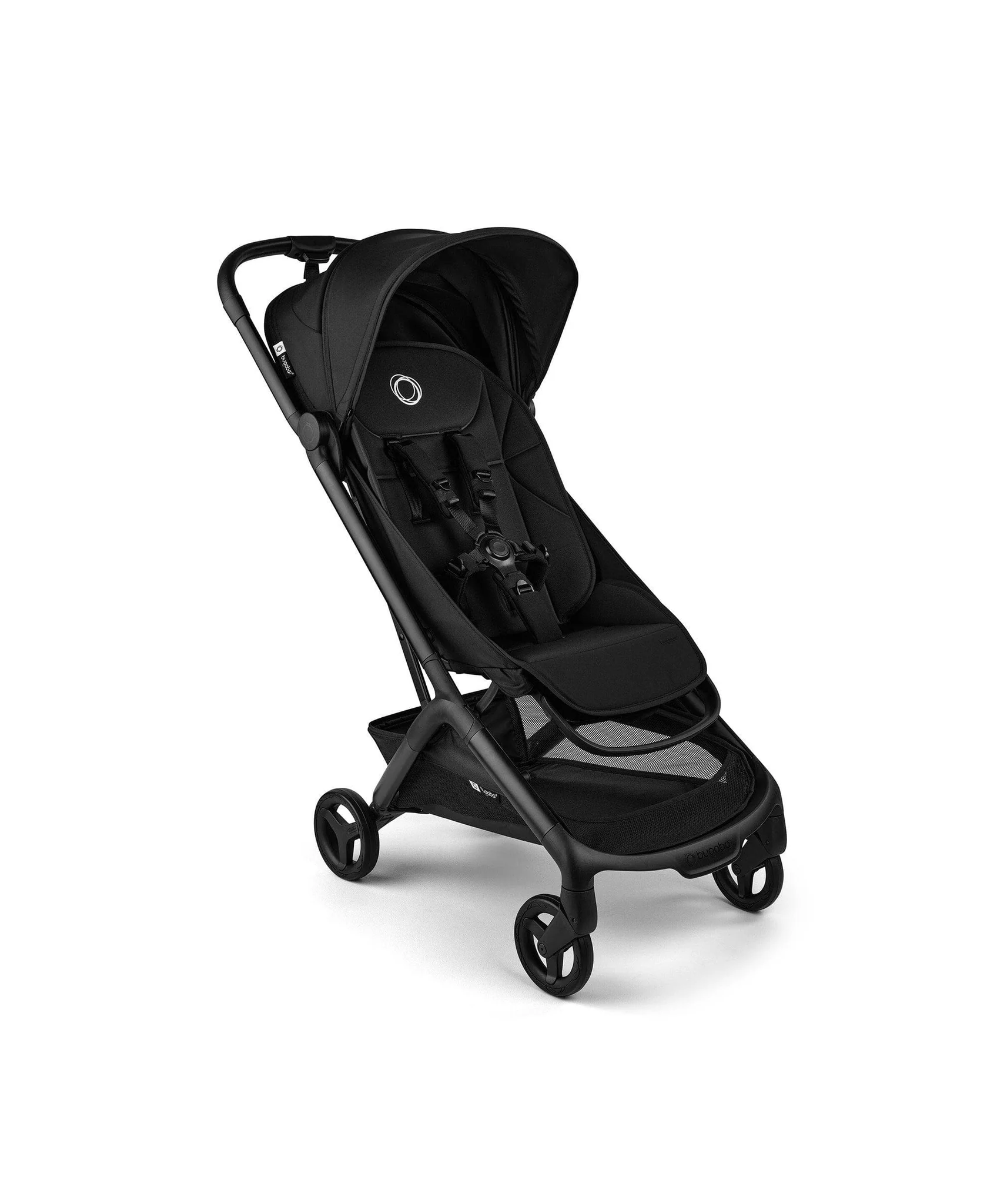
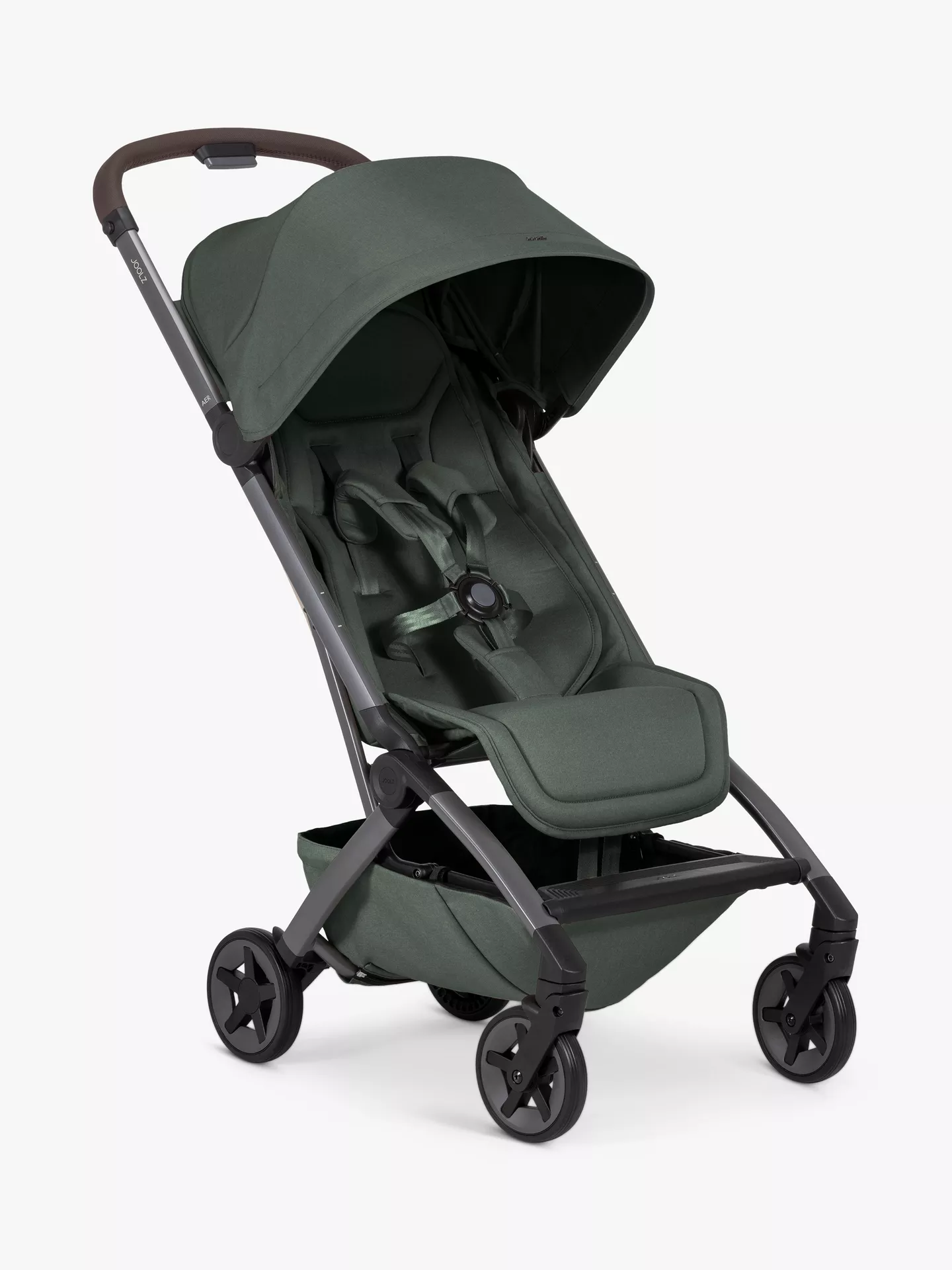
Bugaboo Butterfly 2 or Joolz Aer2
Buses don’t wait and train doors don’t either. The YOYO³ needs two hands and practice — not ideal if you fold one-handed daily.
BOTH HANDS USUALLY FREE
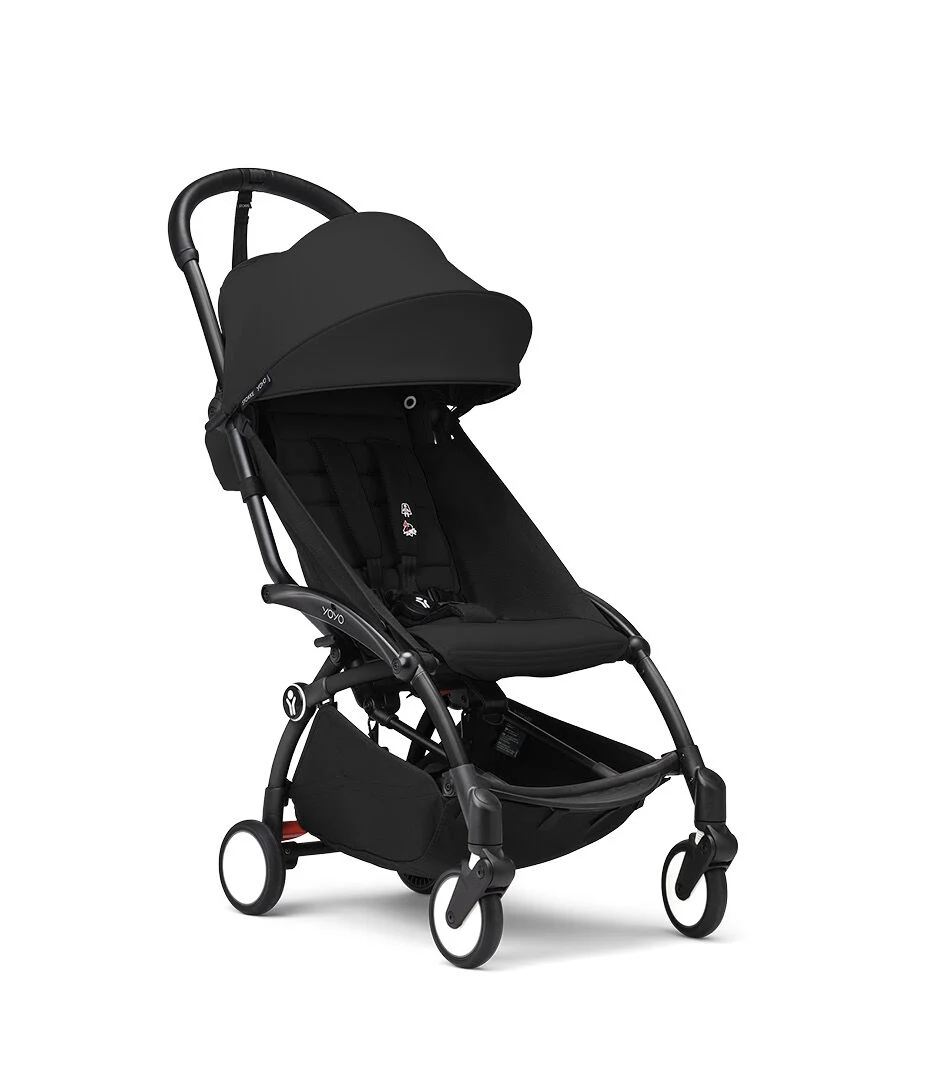
Stokke YOYO³
The best overall for daily public transport — confirmed by K’s long-term daily use on West Yorkshire buses and trains.
What matters on public transport — and what doesn’t
✅ What matters
- Weight — you’ll lift it more than you think
- Fold method — one-handed vs two-handed is a real daily difference
- Fold speed — buses don’t wait
- Compact when folded — fits in the buggy space or under your arm
- Easy to manoeuvre in tight spaces and aisles
🚫 What matters less
- Suspension — smooth pavements and bus floors don’t need it
- Storage basket — you’ll use a bag instead
- All-terrain wheels — the bus route isn’t a farm track
- Reversible seat — nice to have, not a priority
Comparison at a glance
| Pushchair | Weight | Fold method | Real-world tested | Score |
|---|---|---|---|---|
| Stokke YOYO³ | 6.2kg | Two-handed | K — daily WY buses & trains | 9.5/10 |
| Bugaboo Butterfly 2 | 7.3kg | One-handed, one-second | In-store & Hesketh Farm | 8.5/10 |
| Joolz Aer2 | 6.5kg | One-handed | Real family use — folded hands-on | 8/10 |
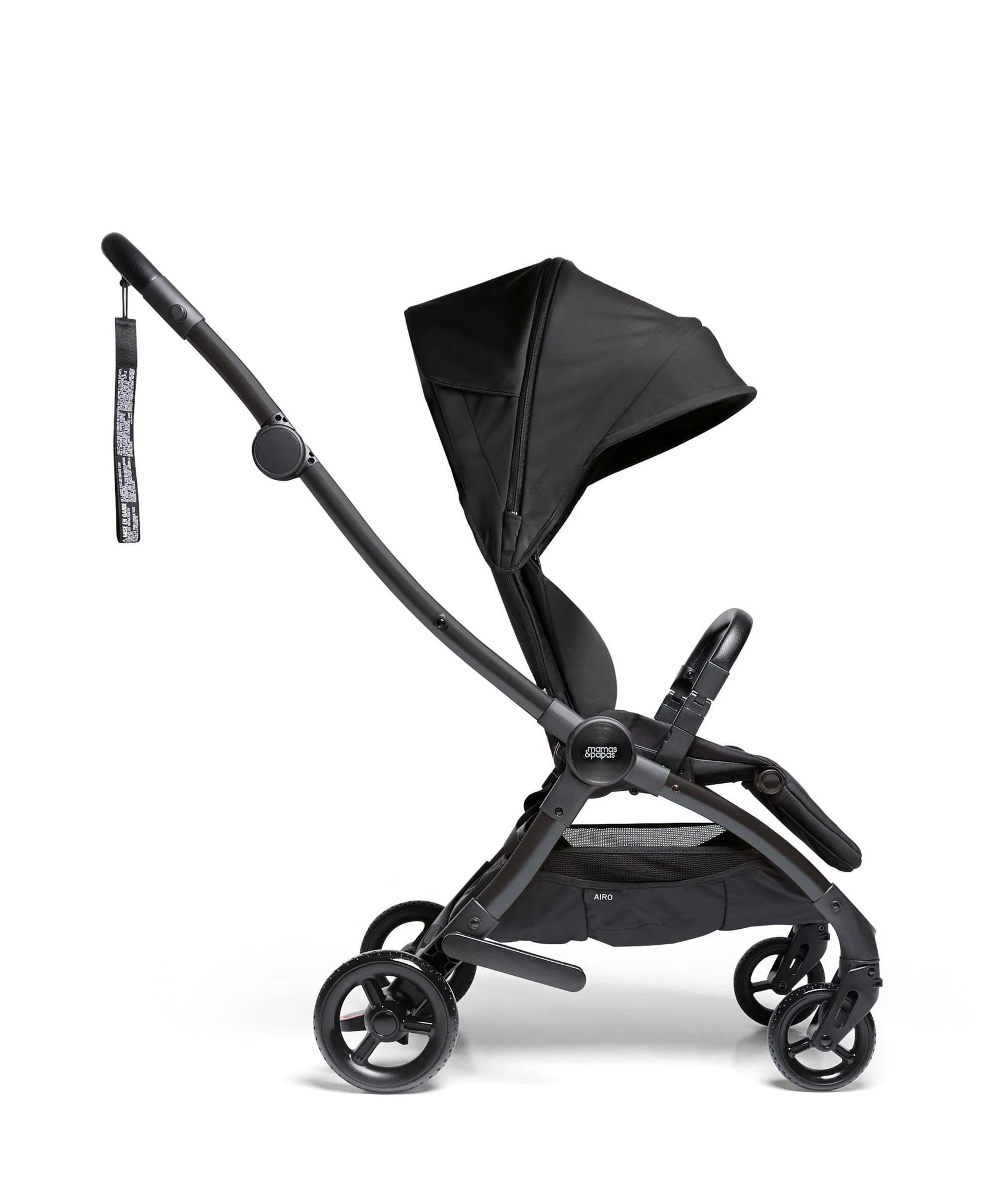
| Mamas & Papas Airo | 7.6kg | One-handed | B — daily WY buses & trains | 8.5/10 |
Real-world testing — West Yorkshire daily use
Most pushchair guides are written by people who’ve wheeled a pushchair around a showroom. This one isn’t. K uses her Stokke YOYO³ daily on West Yorkshire buses and trains — into Leeds city centre, to supermarkets, to friends’ houses — with a young child. K’s partner B uses the Mamas & Papas Airo on the same network, also daily. Both have young children. Neither is doing it for a review. They’re doing it because it’s their life.
That real-world evidence shapes every recommendation on this page. A pushchair that didn’t convince us for real public transport use simply doesn’t make this list, regardless of what the spec sheet says.
The pushchairs — honest verdicts
Which is right for you?
| If this matters most… | Choose… |
|---|---|
| Best overall — manoeuvrability and long-term quality | Stokke YOYO³ |
| One-handed fold at bus stops and train doors | Bugaboo Butterfly 2 |
| One-handed fold with Scandinavian styling | Joolz Aer2 |
| Best value under £200 — capable daily public transport pushchair | Mamas & Papas Airo |
💡 Mark’s honest summary
The YOYO³ is the best overall pushchair for daily public transport — K’s real-world daily use on West Yorkshire buses and trains is the evidence I’d point to above any specification. But if you fold one-handed at bus stops regularly, the Butterfly 2 is the right tool. And if budget is the deciding factor, B’s daily use of the Airo on the same network confirms it’s a genuinely capable pushchair at a price that’s hard to argue with.
Parents who choose the YOYO³ usually tell us the manoeuvrability settled it. Parents who choose the Butterfly 2 tell us the fold settled it — they tried it once and that was the end of the comparison. Parents who choose the Airo usually needed a capable daily pushchair without spending £400. All of those are sound reasons.
Pushchairs on trains — what you need to know
Trains present specific challenges that buses don’t: platform gaps, steps on older rolling stock, narrow doorways on some routes, and the need to fold quickly when asked to. The pushchairs on this list all handle train use well — but if you use trains daily on routes with older rolling stock or narrow carriages, the fold method and folded size matter even more. See our pushchairs on trains guide for the full detail on what to expect on UK rail routes.
Also worth reading
- Stokke YOYO³ vs Bugaboo Butterfly 2 — one-handed fold vs best overall manoeuvrability
- Stokke YOYO³ vs Joolz Aer2 — travel pedigree vs Scandinavian styling
- Bugaboo Butterfly 2 vs Mamas & Papas Airo — premium vs best value
- Mamas & Papas Airo vs Silver Cross Clic 2 — cabin approval and public transport compared
- Bugaboo Dragonfly vs Stokke YOYO³ — city compact vs public transport benchmark, £545 apart
- Best Pushchairs for Flying — if airport use is also part of your life
- Pushchairs on Trains — what to expect on UK rail routes
- Best Lightweight Pushchairs — how these compare across the wider lightweight market
About the reviewer
Mark founded MyPushchair.co.uk in 2006 after struggling to find honest, straightforward pushchair advice as a new dad. With more than 30 years in the family travel and leisure industry — and after returning to relaunch the UK’s original independent pushchair review site — he continues to test products with one aim: helping parents buy the right pushchair the first time. Janette contributes a female perspective to every hands-on assessment.
Mark Hartshorne · Founder, MyPushchair.co.uk · Read the full story →
Not sure which pushchair is right for your public transport situation? Get in touch — happy to help.