
This page contains affiliate links. If you click through and make a purchase we may earn a small commission at no extra cost to you. It never affects our verdicts. Full disclosure →
Last reviewed: October 2026 · Prices verified July 2026 (YOYO³ offer October 2026) · Next review: April 2027
Why trust this guide?
MyPushchair has been covering the pushchair market since 2006. Mark has handled hundreds of pushchairs across more than 30 years in family travel and leisure — including budget and mid-range models at every price point. This guide reflects genuine experience, not manufacturer specs or sponsored content. Prices verified July 2026, YOYO³ clearance price October 2026 — always check current price before buying.
Our top picks under £300 — at a glance
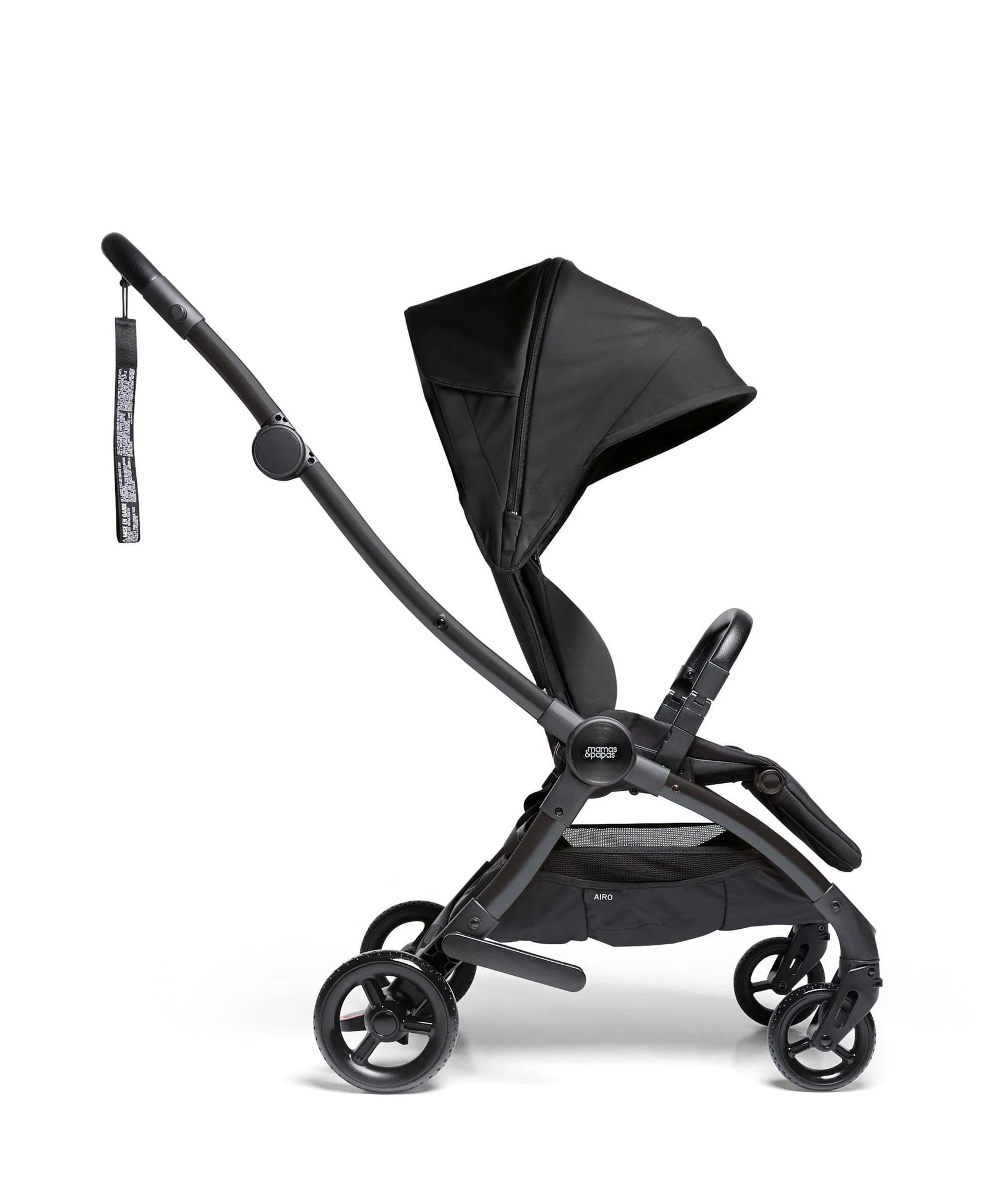
Best overall value
Mamas & Papas Airo
From £189 · 7.6kg · Cabin-compatible · From birth
Our most-recommended pushchair under £300. Lightweight, cabin-compatible, one-hand fold, from birth. Rarely bettered at this price.
Read our review → Check price →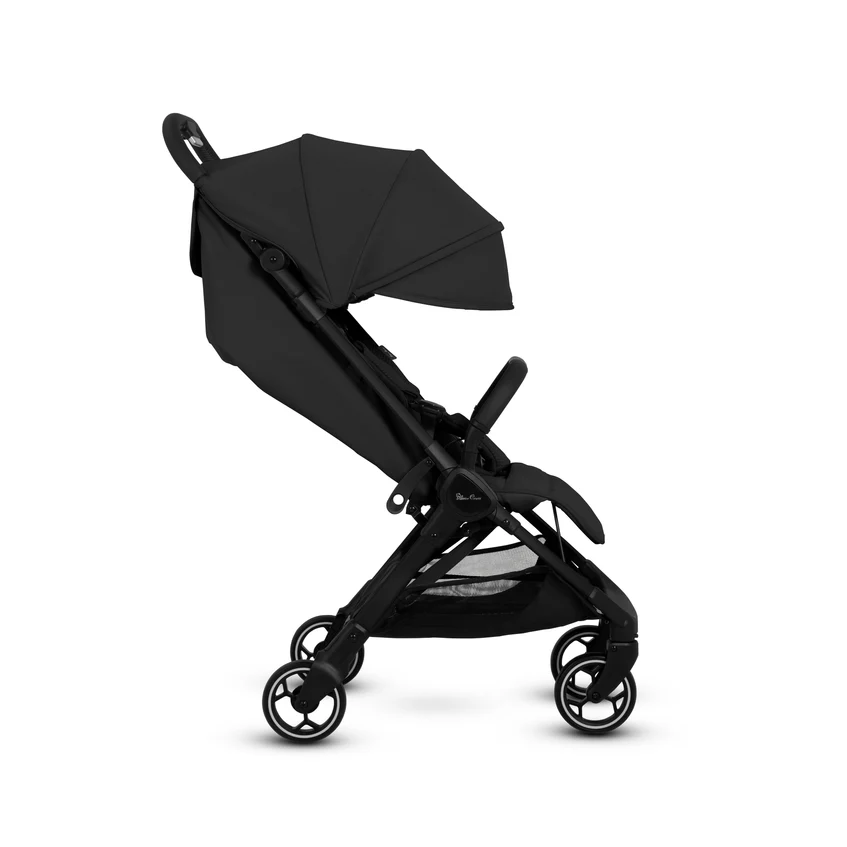
Best premium brand on a budget
Silver Cross Clic 2
From £295 · 6.5kg · From birth · British heritage brand
Silver Cross build quality at the lower end of their range. Uses most of the budget but you’re buying into a trusted British brand with real quality standards.
Read our review → Check price at Silver Cross →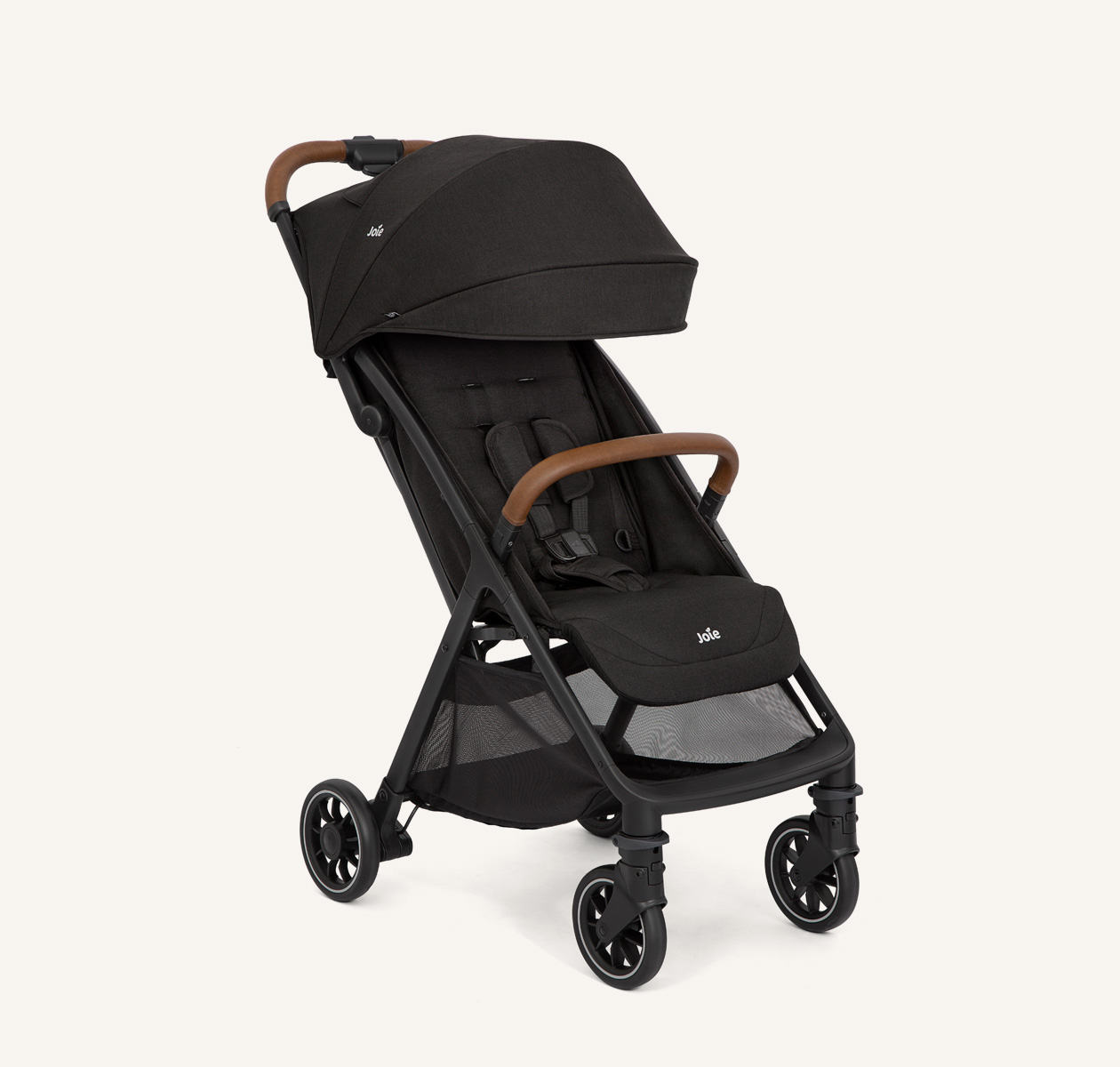
Best budget city stroller
Joie pact pro
From £150 · 6.3kg · Birth to 22kg · One-hand fold
Around £150, leaving plenty of budget for accessories. Lightweight, practical and genuinely good value for city and public transport use.
Read our review → Check price on Amazon →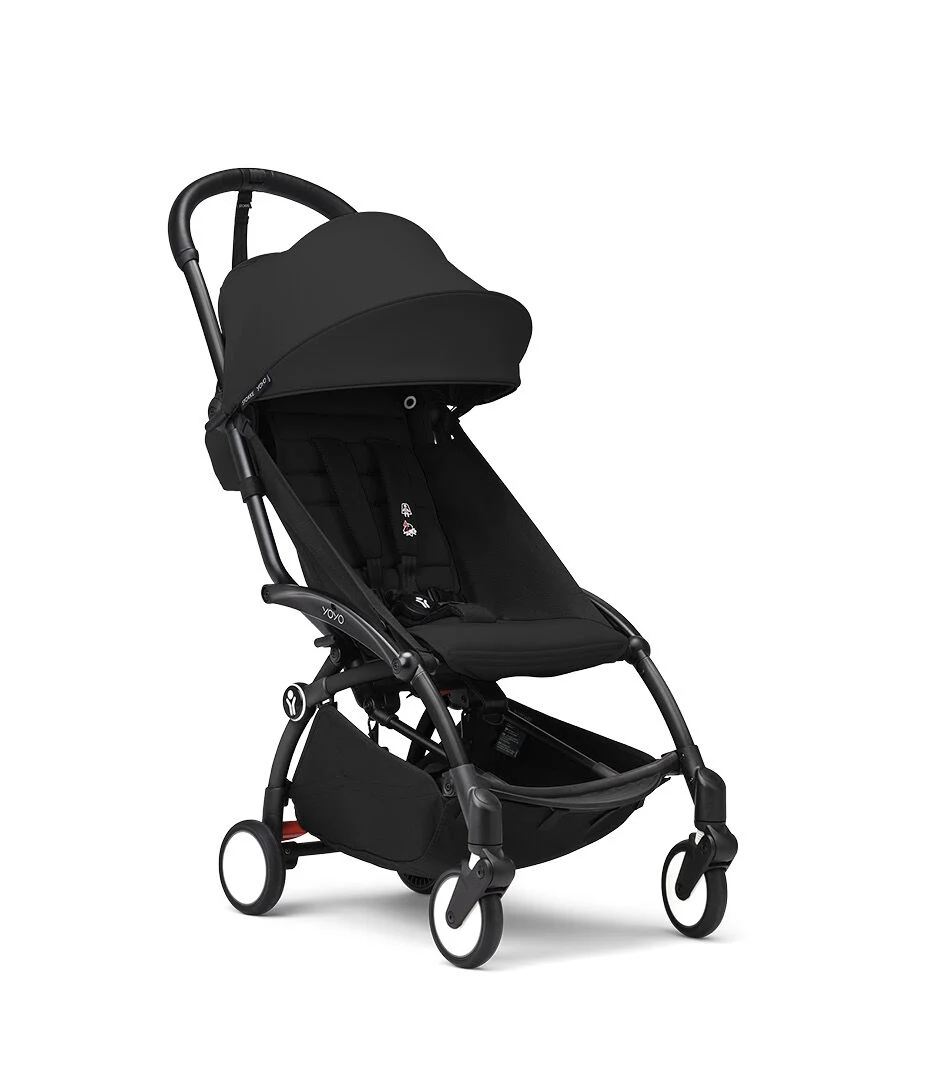
Best at the top of the budget
Stokke YOYO³
£279 clearance (RRP £419) · 6.2kg · Premium compact · Strong resale · 6 months+ (newborn pack extra)
Under £300 only while Stokke’s clearance lasts. One of the most refined compact pushchairs available — and with a secondhand market so strong, the net cost over ownership is often less than it appears.
Read our review → £279 at Natural Baby Shower →The honest truth about buying a pushchair under £300
A budget of £300 is a perfectly reasonable amount to spend on a pushchair — but it’s also a price point where you can get badly stung if you’re not careful. There are genuinely good pushchairs available under £300. There are also a lot of pushchairs that look like good value until they fall apart six months in, and you end up spending more replacing them than you would have done buying something decent in the first place.
I’ve been covering this market since 2006. The false economy of a very cheap pushchair is one of the most common mistakes first-time parents make. A £70 pushchair that lasts eight months and needs replacing costs more than a £200 pushchair that lasts three years. Your pushchair will be used every day for two to three years. The daily cost of a £250 pushchair over three years is less than 25p.
What to avoid under £300
- Very cheap umbrella strollers and unbranded models — the ones for £40-£80 from unknown brands. Frames flex, wheels fail, fabric tears within months
- Poor suspension — no suspension or cheap plastic wheels transfer every pavement crack directly to your child. British pavements are not smooth
- Thin hard plastic tyres — won’t last and won’t handle anything beyond perfectly smooth surfaces
- Anything that flexes or rattles in a shop — it will be significantly worse after six months of daily use
What to prioritise at this price point
A known brand
Matters more under £300 than at any other price point. Joie, Mamas & Papas, Silver Cross at the lower end — all have reputations to protect
One-handed fold
You will fold this pushchair with a child in your arms. A fold requiring two hands is a daily frustration
Seat recline
Matters for younger children and nap times. Most decent pushchairs under £300 offer this — check it specifically
Frame sturdiness
Push it. Does it track straight? Does anything wobble? Trust your hands on this one
Basket size
You will use the basket every single day. A tiny basket is a daily irritation. Check it’s actually usable before you buy
The MyPushchair shortlist — reviewed and recommended
Mamas & Papas Airo — our top pick under £300
The Airo is our most-recommended pushchair under £300 and it’s not a close call. Currently £189 (reduced from £299), it’s lightweight at 7.6kg, cabin-compatible, folds one-handed and is suitable from birth. For city parents on a budget, it covers everything that matters — and does it for less than most competitors charge for pushchairs with half the features.
We’ve reviewed it in full. The verdict: one of the strongest value options in its category. It feels better than its price suggests and the Mamas & Papas warranty adds reassurance. For most parents reading this guide, the Airo is the answer.
Silver Cross Clic 2 — best premium brand on a budget
The Clic 2 uses most of the £300 budget at around £295, but you’re buying into Silver Cross build quality at their most accessible price point. From birth with a lie-flat seat included, 6.5kg, and the kind of finish that makes it feel more expensive than it is. If brand reassurance matters — and at this price point it should — the Silver Cross Clic 2 earns its place on the shortlist.
Joie pact pro — best budget city stroller
At around £150, the Joie pact pro leaves the other half of your budget unspent — for accessories, a car seat, or simply as a safety net. Joie is one of the biggest names in UK pushchairs and their cheaper models are among the best value options available under £300. The pact pro folds one-handed, handles city streets and public transport well, and does the job without pretension. We’ve reviewed it — the verdict is clear: if budget is the genuine constraint and city use is the plan, the pact pro is the honest answer.
Stokke YOYO³ — best at the very top of the budget (while the clearance lasts)
The YOYO³’s RRP is £419, but in October 2026 Stokke is clearing it at £279 as the new YOYO⁵ arrives (Natural Baby Shower has it at the same price) — and at that price not a penny is wasted. More than a decade of continuous compact pushchair development in one package: 6.2kg, cabin-compatible dimensions, and one of the strongest secondhand markets of any pushchair in the UK. The net cost over ownership, once you factor in what you’ll sell it for, often makes it closer to the pact pro than the headline price suggests. If you can get one at the clearance price and you want the most refined compact available, the YOYO³ is the answer — once stock runs out, it’s back over budget. Bear in mind this is the 6+ version — for use from birth you’d need the newborn pack, sold separately.
Graco Near2Me — best for reliability on a budget
The Near2Me sits at around £270 and is a different kind of pushchair from the others on this list — bigger, heavier, with a two-handed fold. Not for city commuters. But for families who prioritise dependability over style and want something solidly built for the money, it earns its place. We’ve reviewed it in full — read it before buying, as it’s a very specific pushchair for a very specific kind of parent.
Consider the secondhand market
A £300 budget opens up some genuinely excellent secondhand options from premium brands. A well-kept secondhand iCandy Peach, Bugaboo Dragonfly or Silver Cross Reef bought privately will often be a significantly better pushchair than anything available new at this price point — and will last longer too.
If you’re open to secondhand, your £300 goes considerably further. Check the frame carefully, test the fold, confirm the wheels run smoothly, and make sure the model isn’t subject to any safety recalls. Premium brands hold up well secondhand — that’s part of why they cost more new. Read our guide to buying a secondhand pushchair before you start looking. If travel is also a priority, our best pushchairs for flying guide covers cabin-compatible options across all budgets.
How these compare head-to-head
| M&P Airo | Silver Cross Clic 2 | Joie pact pro | Stokke YOYO³ | |
|---|---|---|---|---|
| Price | From £189 ✅ | From £295 | From £150 ✅ | £279 clearance (RRP £419) |
| Weight | 7.6kg | 6.5kg | 6.3kg | 6.2kg ✅ |
| From birth | ✅ Yes | ✅ Yes — lie-flat included | ✅ Yes — birth to 22kg | 6 months with seat — newborn pack extra |
| Cabin travel | ✅ Cabin-compatible | Doesn’t meet IATA cabin size guidelines | No — folds to 77 × 50 × 30cm, beyond IATA cabin size guidelines | ✅ Cabin-compatible dimensions |
| One-hand fold | ✅ Yes | ✅ Yes | ✅ Yes | Two-step — quick |
| Resale value | Good | Good | Moderate | Excellent ✅ |
| Best for | City, travel, everyday | Brand quality + value | Budget city use | Premium compact, travel |
Also worth comparing
- Silver Cross Clic 2 vs Stokke YOYO³ — budget compact versus premium compact, head-to-head
- Bugaboo Butterfly 2 vs Mamas & Papas Airo — if budget stretches to £435, is the Butterfly worth it?
- All Joie pushchairs reviewed — the widest range of good-value options under £300
- All Mamas & Papas pushchairs reviewed — Airo, Ocarro 2 and Vardo compared
- Best Lightweight Pushchairs — if weight is the priority
- Best Pushchairs for Public Transport — if buses and trains are the daily reality
Our verdict
Under £300, the difference between a good choice and a bad one isn’t really about features — it’s about build quality and brand reliability. Stick to established brands, handle the pushchair before you buy if at all possible, and don’t be seduced by a low price tag from an unknown manufacturer.
For most parents reading this, the Mamas & Papas Airo at £189 is the answer. It does everything that matters, costs less than the alternatives, and leaves money in your pocket. If brand heritage matters, the Silver Cross Clic 2 earns its place — and while Stokke’s clearance lasts, so does the YOYO³ at £279. But start with the Airo and work out what it doesn’t give you before spending more.
Note on prices: Pushchair prices change regularly. All prices stated are correct to the best of our knowledge as of July 2026, with the YOYO³ clearance price checked in October 2026. Always check the current price before buying — the links on this page will show you the live price at the retailer.
Frequently asked questions
Is £300 enough for a good pushchair?
Yes — £300 is a perfectly reasonable pushchair budget. The Mamas & Papas Airo at £189 and the Silver Cross Clic 2 at £295 are both genuinely good pushchairs from established brands. What you won’t get at this price is premium all-terrain capability or the kind of build quality you’d find in a Bugaboo or iCandy — but for everyday city and family use, £300 is enough.
Is it better to buy secondhand?
Often, yes. A £300 budget buys excellent secondhand options from premium brands. A well-kept Bugaboo Dragonfly or Silver Cross Reef bought privately will typically outlast and outperform anything available new at this price. If you’re open to secondhand, read our guide to buying a secondhand pushchair before you start looking.
Are cheap Amazon pushchairs worth buying?
Generally not — particularly from unknown brands. Unbranded pushchairs at very low prices often look functional but fail within months. Frames flex, wheels wear, fold mechanisms become unreliable. The saving quickly disappears when you replace it. Stick to established brands — Joie, Mamas & Papas, Silver Cross at the lower end of their range — all of which have reputations to protect and quality standards to meet.
Which pushchair under £300 lasts longest?
The Stokke YOYO³ (RRP £419, currently £279 in Stokke’s clearance) has one of the strongest long-term track records of any pushchair we’ve reviewed — and one of the best secondhand markets, which suggests owners are happy to pass them on rather than write them off. The Silver Cross Clic 2 also benefits from Silver Cross’s quality standards. Both should comfortably last two to three years of daily use.
Does the Mamas & Papas Airo come with a newborn pack?
The Airo pushchair is sold separately from its newborn accessories. The pushchair itself is suitable from birth with its lie-flat recline, but a separate newborn pack is available if you want additional support. Check the current Mamas & Papas website for the latest bundle options and pricing.
Is the Stokke YOYO³ worth the money?
For the right parent, yes. At its £279 clearance price, the YOYO³ is more refined than anything else available new under £300, and its resale value means the net cost over ownership is often lower than it first appears. Read our full YOYO³ review and our Clic 2 vs YOYO³ comparison before deciding.
About the reviewer
Mark founded MyPushchair.co.uk in 2006 after struggling to find honest, straightforward pushchair advice as a new dad. With more than 30 years in the family travel and leisure industry — and as a parent and grandparent who still tests pushchairs in the real world — he continues to help parents buy the right pushchair the first time. Read the full story →
Not sure which is right for your situation? Get in touch — happy to help.