
This page contains affiliate links. If you click through and make a purchase we may earn a small commission at no extra cost to you. It does not affect our verdicts. Full disclosure policy →
Last updated: August 2026 · All pushchairs hands-on tested · Specs verified against manufacturer sites August 2026
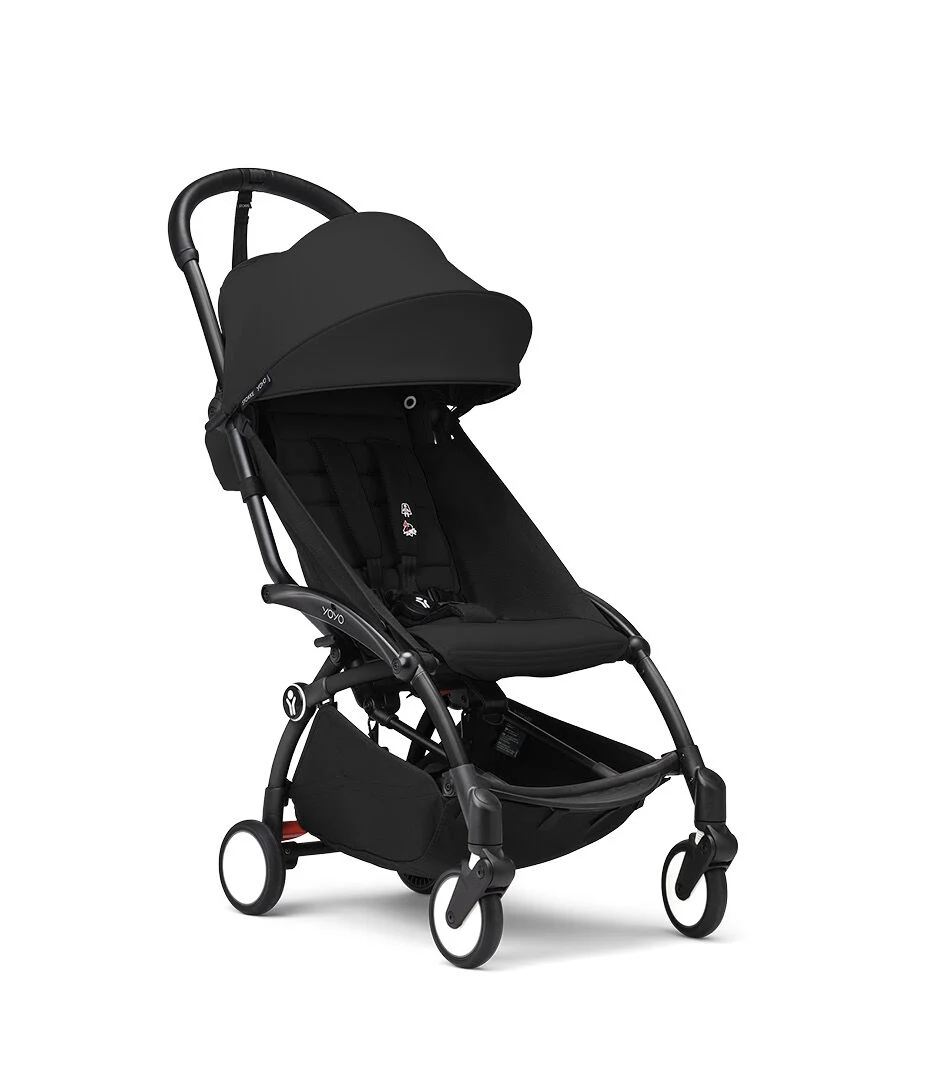
Flying with a pushchair used to mean one thing: check it at the gate, collect it at the other end, and hope it survived. The best pushchairs for flying have changed that entirely — compact enough for aircraft overhead lockers, light enough to lift without help, and manoeuvrable enough to be genuinely useful at the destination. But “cabin-approved” is a marketing phrase, not a guarantee. Airlines set their own policies, aircraft differ, and a pushchair that fits on one flight may not fit on another. This guide gives you honest verdicts on the best options and tells you what to check before you travel.
⚠️ Always check with your airline first
Cabin baggage policies vary significantly between airlines and aircraft types. Always check the specific dimensions with your airline before travelling. When in doubt, gate-check — it’s free on most airlines and your pushchair is waiting for you the moment you land.
Quick recommendations — buy this one if:
| Your situation | Buy this | Why |
|---|---|---|
| Flying once or twice a year | Mamas & Papas Airo | Cabin compatible at £189 — the right tool without overspending |
| Flying every month | Bugaboo Butterfly 2 | One-second fold at every security queue justifies the £435 |
| Disneyland Paris | Stokke YOYO³ | Manoeuvrability through park queues matters more than anything else |
| Solo parent, travelling alone | Cybex Libelle | 5.9kg — every gram matters when you’re lifting it overhead alone |
| Premium traveller | Joolz Aer2 | One-handed fold, 10-year warranty, Dutch quality |
Should you cabin-carry or gate-check?
This is a question worth answering honestly before you spend money on a cabin-compatible pushchair. Cabin-carrying gives you your pushchair throughout the journey — in the airport, on the aircraft, at the destination immediately on landing. Gate-checking means handing it over at the gate and collecting it at the aircraft door or baggage reclaim. Both are legitimate choices.
Cabin-carry makes sense if:
- Your child needs the pushchair in the airport or on the aircraft
- You’re travelling solo and need two hands free at all times
- You’re going to Disneyland Paris and want it ready the moment you arrive
- You fly regularly enough to justify a dedicated travel pushchair
Gate-checking makes sense if:
- You already own a pushchair you love that’s too large for the cabin
- You’re flying with another adult who can manage the child
- You want a more capable pushchair at the destination than any cabin option provides
- Budget doesn’t stretch to a second pushchair specifically for travel
Five reasons NOT to buy a travel pushchair
- You fly once a year. Gate-check your existing pushchair. It’s free and it arrives at the aircraft door. Spending £400+ on a cabin stroller for one holiday a year is rarely the right decision.
- You already own something great. A pushchair travel bag and gate-checking costs nothing. The Reef 2 you love at home is better than a Libelle you only use on holiday.
- Your child is nearly three. By the time a new pushchair arrives, you may not need it for much longer.
- The destination matters more than the flight. If you’re going to a resort where you’ll walk smooth paths, a compact cabin stroller is fine. If you’re going somewhere rough — countryside, beaches, old towns with cobbles — you need a better pushchair than any cabin option provides.
- You’re flying with another adult. One person takes the child. One folds the pushchair. The one-handed fold advantage disappears entirely.
Comparison at a glance
| Pushchair | Weight | Fold | Folded size | Score | Best for |
|---|---|---|---|---|---|
| Stokke YOYO³ | 6.2kg | Two-handed | 52×44×18cm | 9.5/10 | Best overall / DLP |
| Bugaboo Butterfly 2 | 7.3kg | One-handed, one-second | 44.8×24.5×55.5cm | 8.5/10 | Frequent flyers |
| Joolz Aer2 | 6.5kg | One-handed | 53×44×23.5cm | 8/10 | Premium travellers |
| Cybex Libelle | 5.9kg | Two-handed | Cabin compatible | 7.5/10 | Solo parents / lightest |
| Mamas & Papas Airo | 7.6kg | One-handed | Cabin compatible | 8.5/10 | Best value |
The pushchairs — honest verdicts
Flying to Disneyland Paris?
From the Disney Village security checkpoint to the far side of Fantasyland is well over a kilometre before you’ve ridden anything. That’s why manoeuvrability matters more than absolute weight at Disneyland Paris — and why the YOYO³ is our specific recommendation for DLP, not just for flying generally.
The days are long, the queues are real, and the pushchair needs to work in restaurants, on the RER, through park gates and alongside rides. The YOYO³ was designed for exactly this kind of use and it shows. After more than 30 visits to Disneyland Paris over the years, I’ve seen more YOYO³ pushchairs in Fantasyland than any other model — that’s not coincidence. See our full Disneyland Paris pushchair guide for everything you need to know before you go.
Which would I buy?
💡 Mark’s personal verdict
If money were no object: YOYO³, without hesitation. Not because it’s the most expensive — the Butterfly 2 costs more — but because it’s the best all-round travel pushchair I’ve encountered. The manoeuvrability at the destination compounds every day you use it. The fold takes practice, but you only learn it once.
If I only flew once a year: Mamas & Papas Airo. £189, cabin compatible, one-handed fold, from birth. There is no honest argument for spending £400+ on a pushchair you’ll use on one or two flights a year. The Airo does everything you need it to do.
If I flew every month: Bugaboo Butterfly 2. The one-second fold becomes genuinely valuable when you’re doing it at every security queue, every boarding gate, every hotel lift. At that frequency the £435 price justifies itself quickly — and if you’re holding a toddler in one arm at a busy boarding gate, it’s the only pushchair here I’d want in my other hand.
Airline policies — what you need to know
No airline policy is permanent. The table below reflects general current practice — always check directly with your airline before travelling, as policies change and vary by aircraft type and cabin class.
| Airline | Cabin pushchair? | Gate check? | Notes |
|---|---|---|---|
| Ryanair | Depends on dimensions | ✅ Free | Must fit within cabin bag allowance — verify current policy |
| easyJet | Depends on dimensions | ✅ Free | Pushchairs accepted in hold free — cabin subject to size |
| British Airways | Usually if within dimensions | ✅ Free | Generally more flexible — verify for your route and aircraft |
| Jet2 | Depends on dimensions | ✅ Free | Pushchairs accepted free in hold — cabin verify before travelling |
| TUI | Depends on dimensions | ✅ Free | Pushchairs accepted free in hold — cabin subject to current policy |
Important: Airline policies change frequently. The information above is general guidance only. Always check the current policy directly with your airline before travelling. When in doubt, gate-check — it’s free and your pushchair will be waiting for you at the aircraft door.
Head-to-head comparisons
- Stokke YOYO³ vs Joolz Aer2 — two-handed best-overall vs one-handed premium
- Stokke YOYO³ vs Bugaboo Butterfly 2 — best overall vs fastest fold
- Stokke YOYO³ vs Cybex Libelle — best overall vs lightest weight
- Cybex Libelle vs Bugaboo Butterfly 2 — lightest weight vs fastest fold
- Mamas & Papas Airo vs Silver Cross Clic 2 — best value cabin vs non-cabin alternative
- Bugaboo Butterfly 2 vs Mamas & Papas Airo — premium vs best value cabin option
- Bugaboo Dragonfly vs Stokke YOYO³ — cabin-approved YOYO³ vs non-cabin Dragonfly, honestly compared
Also worth reading
- Best Pushchair for Disneyland Paris — specific DLP advice from 30+ visits
- Best Lightweight Pushchairs — how these compare across the wider lightweight market
- Best Pushchairs for Public Transport — fold speed and compact dimensions matter here too
- Best Pushchairs Under £300 — if the Airo feels right but you want to compare more options
Frequently asked questions
Can you take a pushchair on Ryanair?
Ryanair allows pushchairs to be gate-checked for free. Taking one into the cabin depends on whether it fits within their cabin baggage size allowance — this varies and should be verified with Ryanair directly before travelling. Gate-checking is the reliable option for Ryanair flights.
Can you take a pushchair on easyJet?
easyJet accepts pushchairs in the hold for free. Cabin acceptance depends on current policy and whether the pushchair fits within their cabin bag dimensions. Always verify with easyJet before travelling — policies can change between booking and travel.
Can you take a pushchair on Jet2?
Jet2 accepts pushchairs in the hold free of charge. Cabin acceptance is subject to their current cabin baggage policy. Check with Jet2 directly before travelling for the most current guidance.
Can you take a pushchair on TUI?
TUI accepts pushchairs in the hold free of charge. Verify current cabin policy directly with TUI before travelling — their guidance should be checked for each booking as policies can vary by aircraft.
Will airlines damage my pushchair?
Gate-checking — handing the pushchair over at the aircraft door — is significantly lower risk than checking it at the bag drop. Gate-checked pushchairs are typically returned at the aircraft door on landing and have much less handling than hold-checked luggage. A pushchair travel bag adds protection if you’re concerned. Most parents gate-check regularly without incident, but damage does occasionally occur — take photos before travelling and check your travel insurance covers it.
Do I need a pushchair travel bag?
Not essential for gate-checking, but recommended for hold-checking. A travel bag protects the pushchair from damage during handling and keeps it clean. If you’re gate-checking frequently the pushchair will have relatively light handling — many parents gate-check without a bag without issues.
Can I gate-check a cabin-approved pushchair?
Yes — just because a pushchair is cabin-approved doesn’t mean you have to take it in the cabin. Gate-checking a cabin-compatible pushchair is perfectly valid and means it’s returned to you at the aircraft door on landing. Many parents choose this option even with a YOYO³ or Butterfly 2 if they have limited cabin storage space or are travelling with additional carry-on luggage.
About the reviewer
Mark founded MyPushchair.co.uk in 2006 after struggling to find honest, straightforward pushchair advice as a new dad. With more than 30 years in the family travel and leisure industry — including 30+ visits to Disneyland Paris and relationships at Senior VP level with Disney — he continues to test products with one aim: helping parents buy the right pushchair the first time. Janette contributes a female perspective to every hands-on assessment.
Mark Hartshorne · Founder, MyPushchair.co.uk · Read the full story →
Not sure which flying pushchair is right for your situation? Get in touch — happy to help.