
This page contains affiliate links. If you click through and make a purchase we may earn a small commission at no extra cost to you. It does not affect our verdicts. Full disclosure policy →
Last updated: August 2026 · All recommendations, prices, and specifications verified against manufacturer sites August 2026 · All pushchairs hands-on tested
Our verdict in one sentence
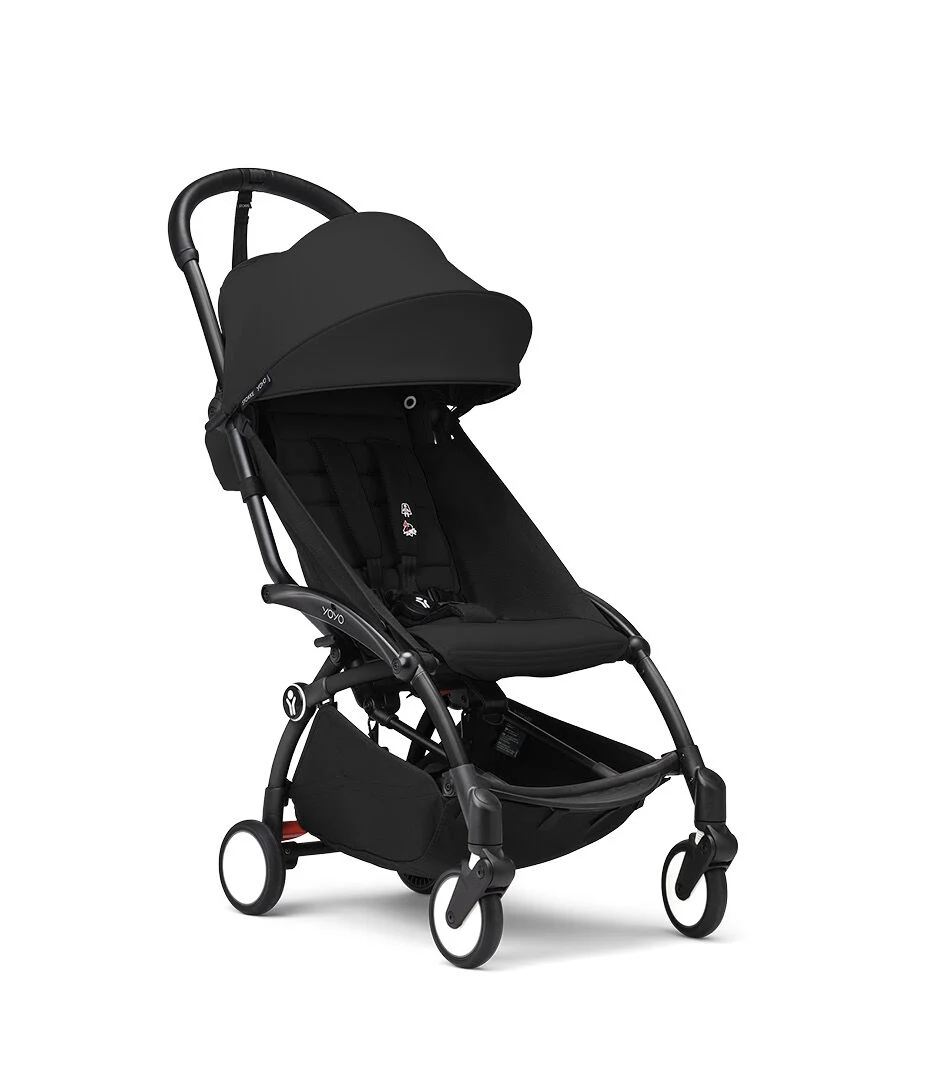
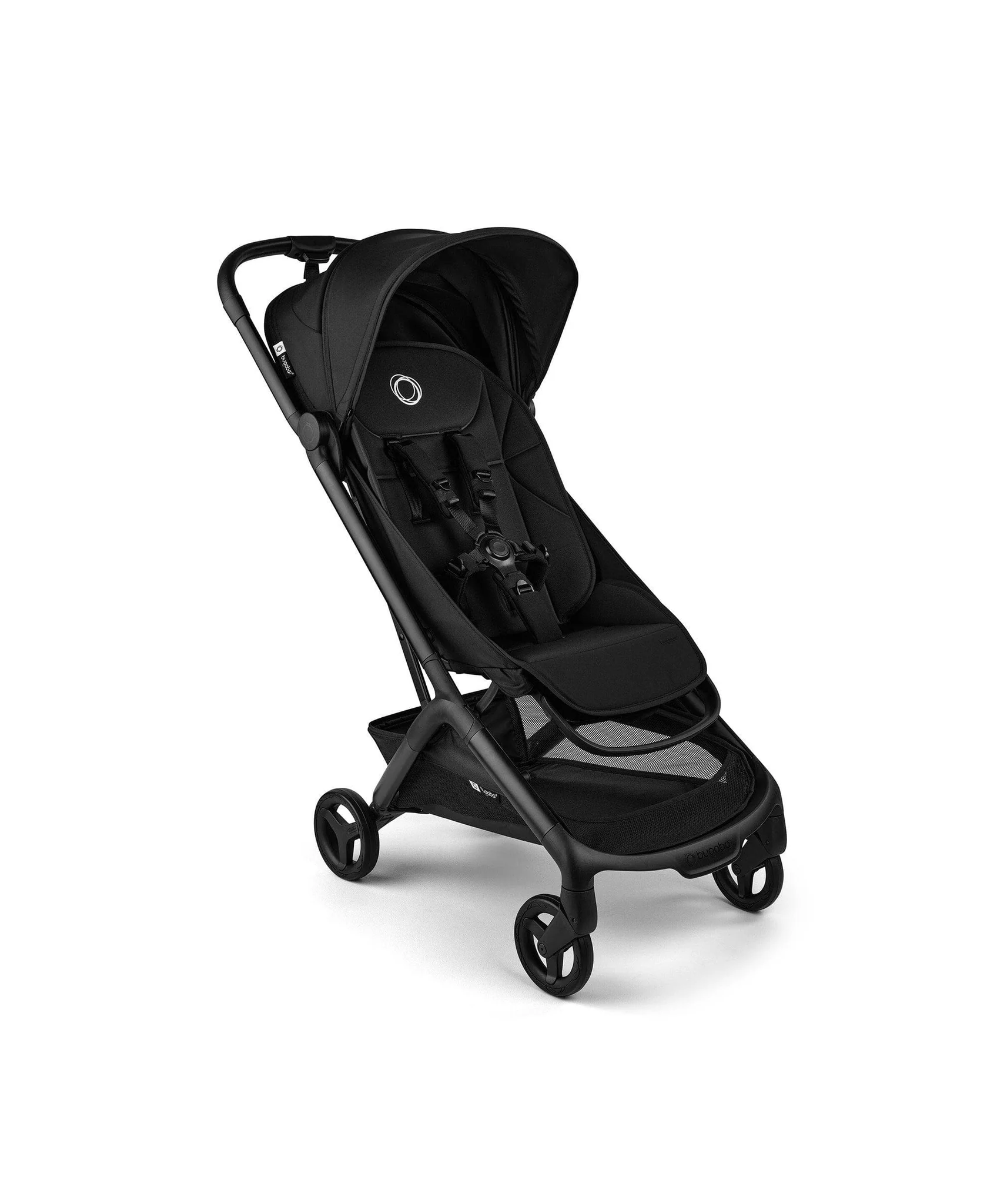
The YOYO³ is the best lightweight pushchair on this site — confirmed by K’s long-term daily use, not showroom impressions. If you need a one-handed fold, the Butterfly 2 is the honest alternative. If budget is the deciding factor, the Airo at £189 is harder to argue with than its price suggests.
Quick recommendations
Not all lightweight pushchairs are created equal. Some are genuinely light. Some are “light for a full-size pushchair” — which is a different thing entirely. And some sacrifice so much to hit a low weight that they become impractical for daily use. This guide focuses on pushchairs that are genuinely lightweight — under 8kg — and that don’t make you regret the trade-offs every time you use them.
How this guide was compiled
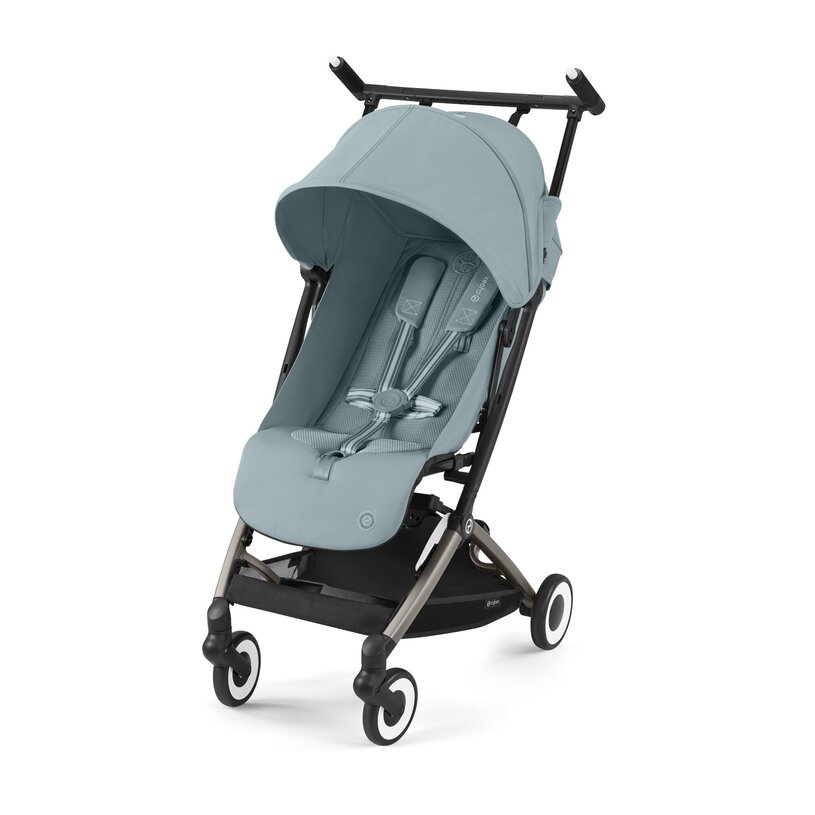
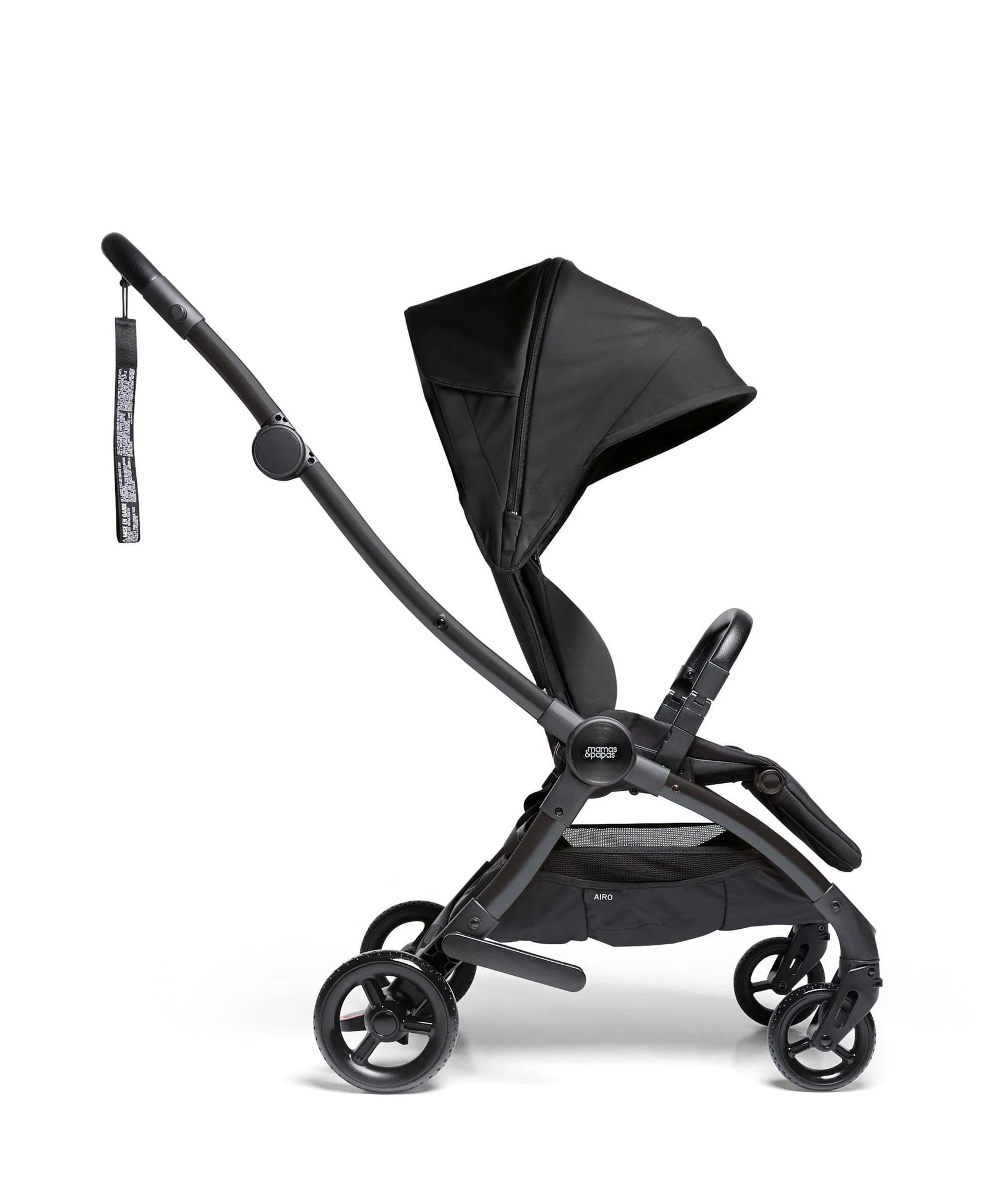
Every pushchair in this guide has been hands-on tested or confirmed in long-term real-world use. The Stokke YOYO³ has been in extended daily use by K — buses, supermarkets, Leeds city centre — the best kind of test there is. The Cybex Libelle was road tested in store with K. The Bugaboo Butterfly 2 was tested in store and at Hesketh Farm, West Yorkshire. The Mamas & Papas Airo is used daily by K’s partner B on West Yorkshire public transport. Specs verified against manufacturer websites throughout.
What counts as lightweight?
For this guide, lightweight means under 8kg. That’s roughly where the category begins to feel genuinely different from a standard pushchair. Under 7kg is properly light. Under 6kg is exceptional — and comes with real trade-offs in wheels, storage and fold method that are worth understanding before you buy.
Weight on a spec sheet and weight in your hands are different things. You stop noticing a kilogram in a showroom. You definitely notice it on the third staircase of the day, at the train barrier, or when you’re carrying it under one arm through a busy station. The pushchairs that make it onto this list have been tested in exactly those conditions.
The one question that matters most
Do you regularly fold one-handed — with a child on your hip, at a bus stop or train door?
YES
Bugaboo Butterfly 2 or Joolz Aer2
Both have genuine one-handed folds. The YOYO³ and Libelle both need two hands — buses don’t wait.
BOTH HANDS USUALLY FREE
Stokke YOYO³
The best overall lightweight pushchair on this site — confirmed by long-term daily use, not showroom testing.
Comparison at a glance
| Pushchair | Weight | Fold | Cabin approved | Score |
|---|---|---|---|---|
| Stokke YOYO³ | 6.2kg | Two-handed | ✅ IATA | 9.5/10 |
| Bugaboo Butterfly 2 | 7.3kg | One-handed, one-second | ✅ Yes | 8.5/10 |
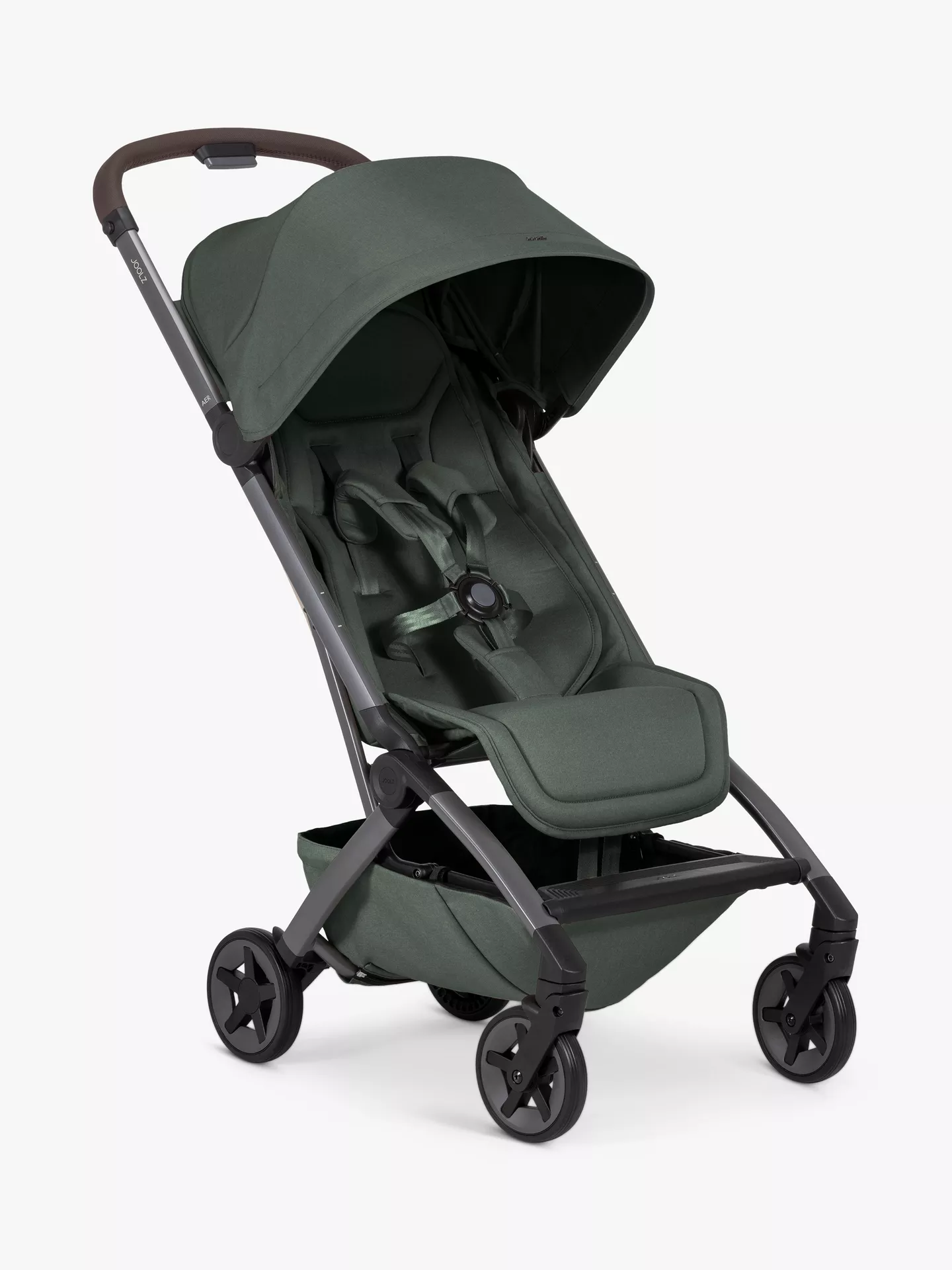
| Joolz Aer2 | 6.5kg | One-handed | ✅ Yes | 8/10 |
| Cybex Libelle | 5.9kg | Two-handed | ✅ Yes | 7.5/10 |
| Mamas & Papas Airo | 7.6kg | One-handed | ✅ Yes | 8.5/10 |
The pushchairs — honest verdicts
Which is right for you?
| If this matters most… | Choose… |
|---|---|
| Best overall — urban manoeuvrability and long-term quality | Stokke YOYO³ |
| One-handed fold at bus stops and train doors | Bugaboo Butterfly 2 |
| Absolute minimum weight | Cybex Libelle at 5.9kg |
| Scandinavian styling with one-handed fold and 10-year warranty | Joolz Aer2 |
| Best value — cabin approved under £200 | Mamas & Papas Airo |
💡 Mark’s honest summary
If I could only give one recommendation in this category it would be the Stokke YOYO³ — every time. The long-term daily use evidence from K tips it for me, and the manoeuvrability is genuinely in a class of its own.
Parents who choose the YOYO³ usually tell me one thing settled it: they pushed it once and nothing else felt the same. Parents who choose the Butterfly 2 say the fold settled it — they tried it in the shop and that was the end of the comparison. Parents who choose the Libelle usually mention weight or price. Parents who choose the Airo needed cabin approval under £200. All of those are sound reasons.
The wrong choice is buying the most expensive one without being honest about your daily routine. A pushchair you enjoy using is the right pushchair.
Also worth reading
- Stokke YOYO³ vs Bugaboo Butterfly 2 — one-handed fold vs best overall manoeuvrability
- Stokke YOYO³ vs Joolz Aer2 — travel pedigree vs Scandinavian styling
- Stokke YOYO³ vs Cybex Libelle — best overall vs lightest weight
- Cybex Libelle vs Bugaboo Butterfly 2 — lightest weight vs best fold
- Bugaboo Butterfly 2 vs Mamas & Papas Airo — premium vs best value
- Best Pushchairs for Flying — all five are cabin approved
- Best Pushchairs for Public Transport — fold speed and weight in daily bus and train use
- Best Pushchairs for Small Cars — lightweight and compact fold in small boots
About the reviewer
Mark founded MyPushchair.co.uk in 2006 after struggling to find honest, straightforward pushchair advice as a new dad. With more than 30 years in the family travel and leisure industry — and after returning to relaunch the UK’s original independent pushchair review site — he continues to test products with one aim: helping parents buy the right pushchair the first time. Janette contributes a female perspective to every hands-on assessment.
Mark Hartshorne · Founder, MyPushchair.co.uk · Read the full story →
Not sure which lightweight pushchair is right for your situation? Get in touch — happy to help.